“The music of Nepal was like angels from the mountains, carried on the wind to me to watch over me. All music has an essence, and for me, that was the essence of Nepal… a kind of dream, a place between worlds or planes of consciousness.” – Antonio Domingo Linde Camacho, Artist of the Psychedelic Renaissance
Travel today is shifting away from routine itineraries and the rush to check off places. More travelers now seek deeper cultural immersion – something meaningful they can take home beyond photographs. Music tourism has emerged as one of the most powerful ways to experience a country through its soul, and in this landscape, Nepal stands out as an exciting destination for 2026.
1. The Nepalese Folk Music – An Expression of Communities
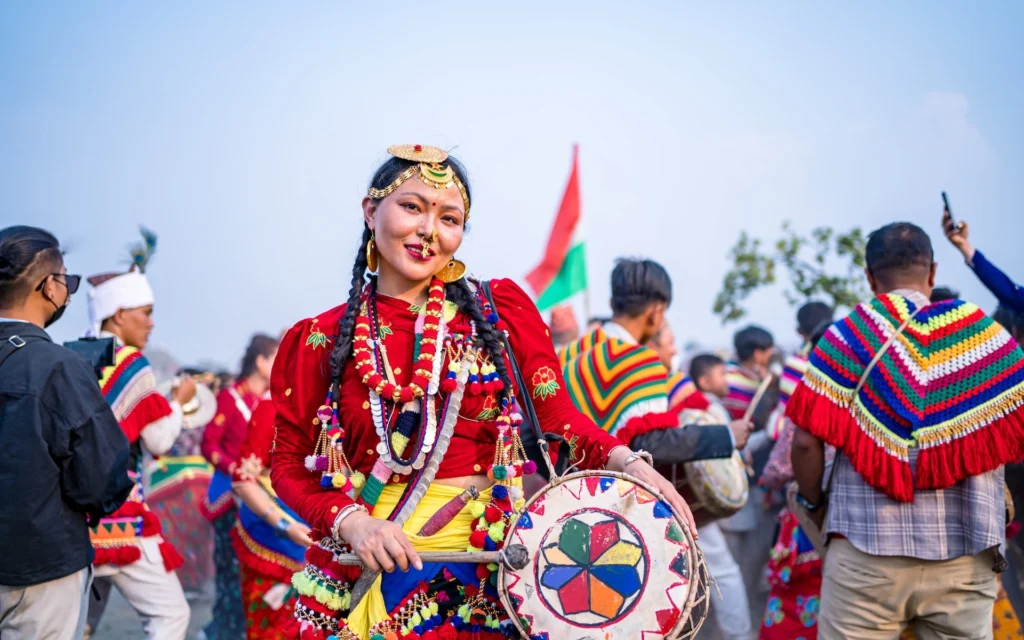
Nepal’s music preserves identity, history, spirituality, and healing. In the eastern hills, chyabrung drumming honors the Limbu community, its distinctive double-sided drum played in rhythmic patterns while dancers move in circles – symbolizing balance, unity, and harmony.
In contrast, the Newar dhimey is a sacred instrument representing the fabric of community life. It is played to honor deities and ancestors during festivals and rituals.
“To the traveler, it’s a fresh and unfamiliar sound – one they’ve quickly come to enjoy. They have shown deep admiration for traditional Nepali music, finding it soothing, unique, and full of charm.” – Rubin Kumar Shrestha, Flute Player, Kutumba Band
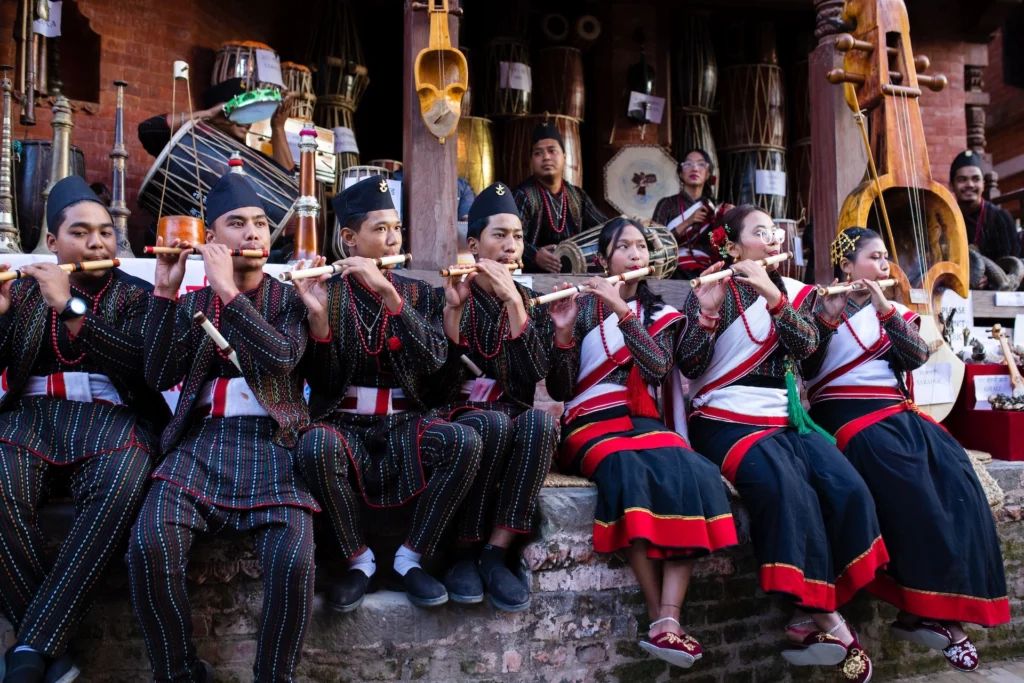
In the Himalayan regions, the wooden, stringed tungna reflects spirituality, stories of migration, and the resilience of mountain communities.
Together with instruments like damphu and arbajo, these traditions showcase Nepal’s living heritage – passed down through generations. With global interest in cultural preservation growing, young Nepali artists are now blending traditional instruments with modern music. Maya Trips encourages travelers to explore the stories, meanings, and artistry behind these melodies.
2. Music in Daily Life: Bhajan, Kirtan, Festivals, and Rituals
Nepal is inherently spiritual. Communities across the country express devotion through music – whether during street jatras, temple gatherings, or religious ceremonies.
Traditional instruments elevate these moments:
- Conch shells are blown to purify the space.
- Drums and cymbals create rhythmic energy.
- The panche baja ensemble turns rituals into vibrant cultural expressions.
The Bagmati Aarti at Pashupatinath deserves special mention. The evening ritual dedicated to Lord Shiva features priests performing synchronized circular movements with oil lamps while mantras fill the air. Devotees sing, ring bells, and blow conch shells – sometimes even performing the Tandava dance.
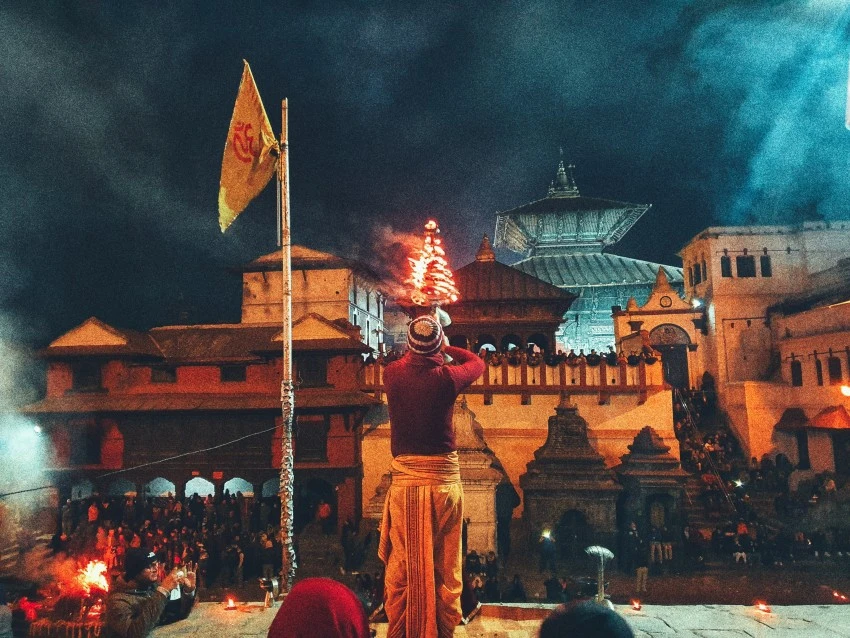
Another immersive experience is Hari Kirtan, where chanting the Hare Krishna mantra becomes a form of meditation led by ISKCON prabhujis. Lamps, flowers, and devotion transform the atmosphere entirely.
Across Buddhist monasteries, Hindu festivals, and indigenous communities, Nepal’s diverse rituals create a unique spiritual soundscape rarely found elsewhere.
3. The Rise of International Music Festivals in Kathmandu
“Every country has its own distinct culture and music. Nepal’s music reflects its rich cultural diversity. From the Maruni dance to the Gandarbha’s tunes, every sound offers the traveler a remarkable experience.” – Anil Gandharva, Sarangi Player, Samundra Band
While rural villages preserve ancient traditions, Nepal’s cities – especially Kathmandu – are embracing global musical influences. A growing trend of blending traditional Nepali music with Western genres has given rise to internationally recognized festivals like Jazzmandu and Echoes in the Valley.
These platforms bring traditional artists into the spotlight, creating magical fusion performances – jazz quartets collaborating with sarangi players, or contemporary bands weaving dhimey rhythms into their sets.
Festival organizers are increasingly featuring ethnic musicians, monastery choirs, master drummers, and folk storytellers alongside international acts. This harmonious blend of ancient heritage and global music trends elevates Kathmandu into a compelling musical destination in Asia.
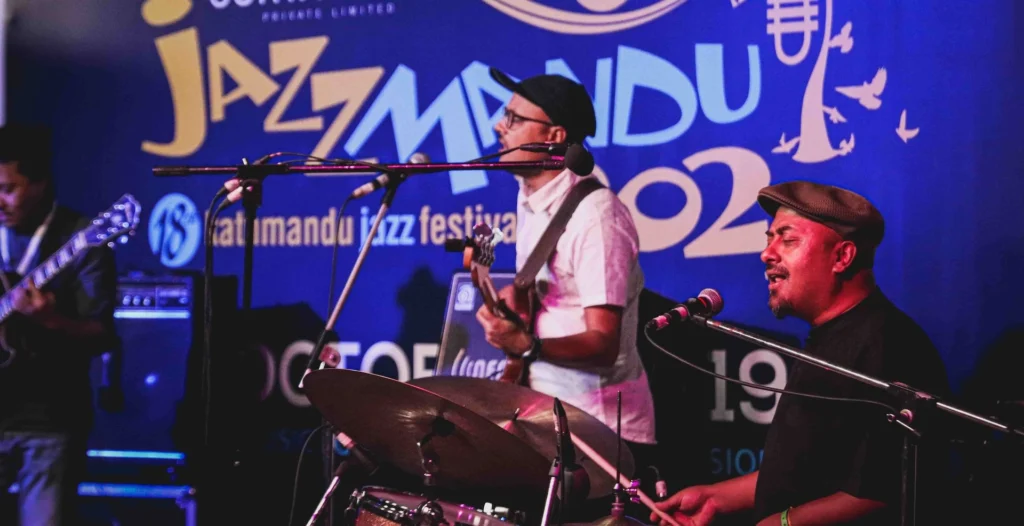
For travelers, the ability to enjoy world-class festivals and sit down with traditional musicians in the same trip is a rare and unforgettable experience.
How Maya Trips Is Reviving Nepal’s Folk Heritage
With global music tourism on the rise, Maya Trips is committed to helping ethnic musicians gain recognition, support, and sustainable opportunities. By bringing artists and travelers together, Maya Trips fosters cultural appreciation and contributes to the wellbeing and continuity of Nepal’s musical legacy.
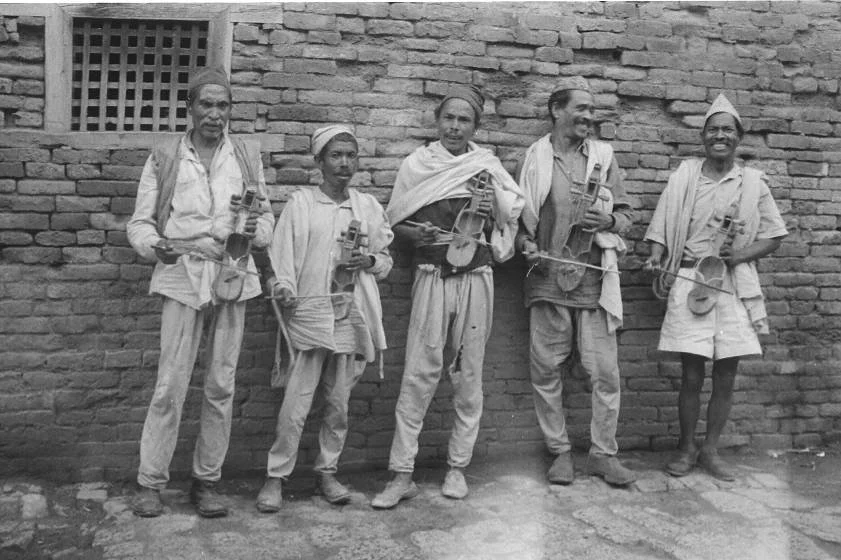
Our Gandarbha Heritage Program is a heartfelt initiative celebrating the sarangi tradition. It highlights instrument craftsmanship and creates a platform for Gandarbha musicians to share their art.
Visitors spend a day in a Gandarbha village, listening to live performances as guides interpret the stories behind them. Travelers can try playing the sarangi, speak with elders about their history as traveling minstrels, and understand why music remains central to their identity.
Maya Trips aims to extend these efforts to Limbu, Newar, Tamang, Tharu, Magar, and Himalayan communities. Together with local artists, we plan to co-create workshops, performances, and cultural events that offer travelers deep immersion into Nepal’s musical traditions.
This vision creates a respectful space where music lovers can interact closely with artists, form meaningful connections, and support heritage that deserves global recognition.
Plan Your Musical Journey Through Nepal
Even with just one day, you can join our signature One Day with a Gandarbha music experience – a compelling entry into Nepal’s living musical history.
For more immersive journeys, we design custom Nepal Musical Trails that include:
- Visits to musician communities
- Hands-on workshops with folk instruments
- Bhajan and kirtan evenings with local groups
- Participation in festivals or musical gatherings
- Experiences centered around sarangi, chyabrung, dhimey, tungna, madal, and other heritage instruments
Nepal is ready to welcome music lovers from around the world. Start your musical journey with Maya Trips – and let Nepal’s melodies stay with you long after you leave.