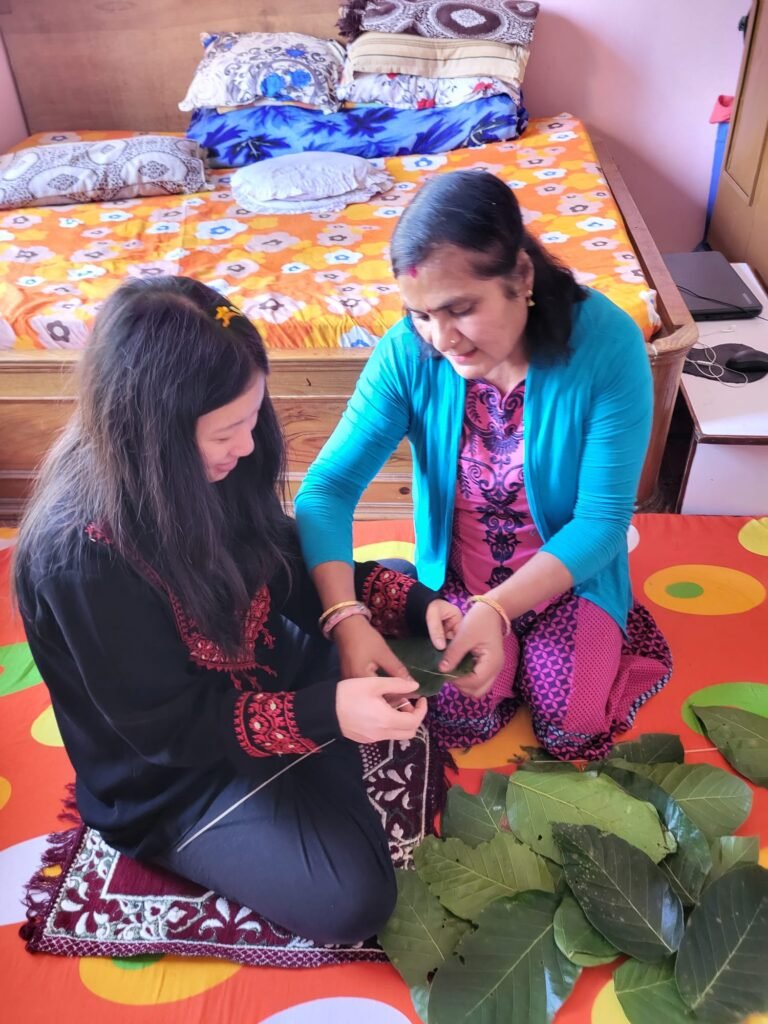
What can a few leaves and some bamboo sticks become? In Nepal, they can be transformed into something that has been part of everyday life for generations: a Tapari.
On Monday, November 16, Simin from the United Kingdom joined Maya Trips for a Traditional Tapari Making Experience in Kathmandu. Having travelled to different countries, Simin enjoys discovering local cultures, particularly through handmade crafts and traditional weaving techniques. During her time in Nepal, she decided to explore a craft that offered something a little different from the usual sightseeing experience.
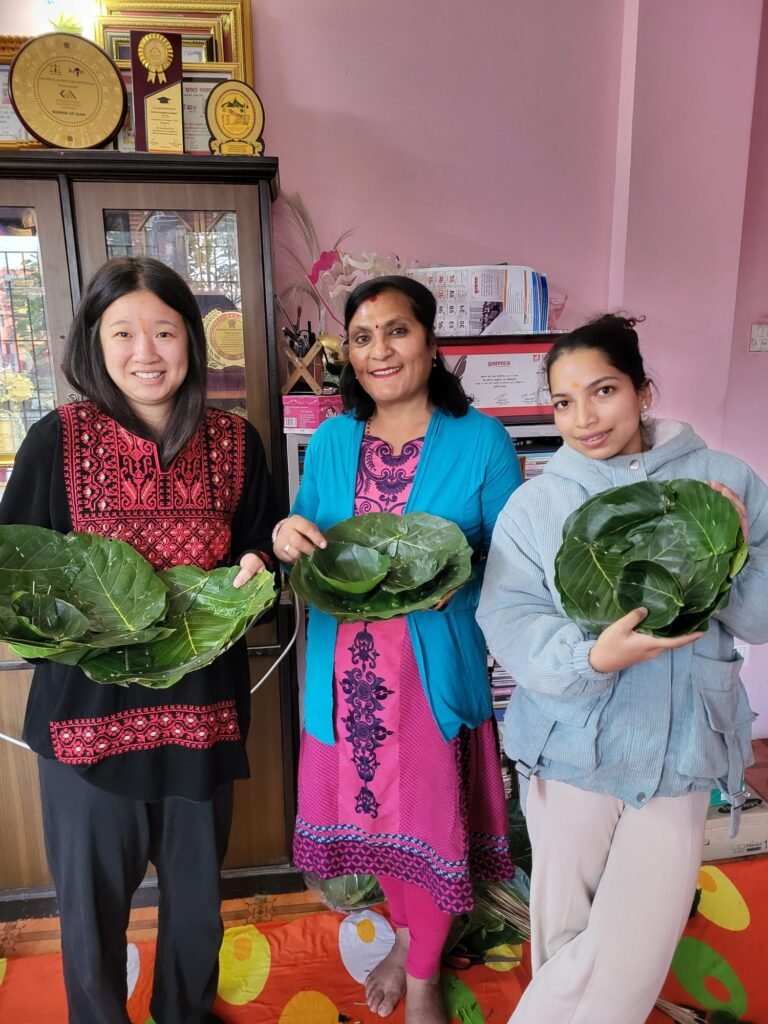
Escorted by Saloni, her experience began with a visit to a Nepali family home, where she had the opportunity to discover the art of Tapari making in a familiar, everyday setting. Introduced to the natural materials and traditional techniques used by the family, she got a glimpse into a craft that has been practised in Nepali households for generations.What initially looked like a collection of leaves and bamboo sticks would soon take shape through a series of careful folds and hands-on learning.
A Craft That Begins with Nature
Before a Tapari takes shape, there are just a few simple materials to work with.
At the workshop, Simin was introduced to the raw materials used in the process, including leaves and thin bamboo sticks. These everyday natural materials play an important role in creating Tapari, traditional leaf plates widely used across Nepal.
But there is more to the craft than simply putting leaves together. The way they are arranged, folded, and held in place is what gives a Tapari its shape and makes it suitable for everyday use.
As she learned about the materials, Simin also discovered how this traditional practice connects with Nepali life. Tapari has long been used during religious ceremonies, festivals, family gatherings, and other occasions, offering a natural alternative to conventional serving plates.
It was an opportunity to understand how something so simple can carry such an important place in a culture.
Learning the Art of Folding
Now came the interesting part: learning how to make one.
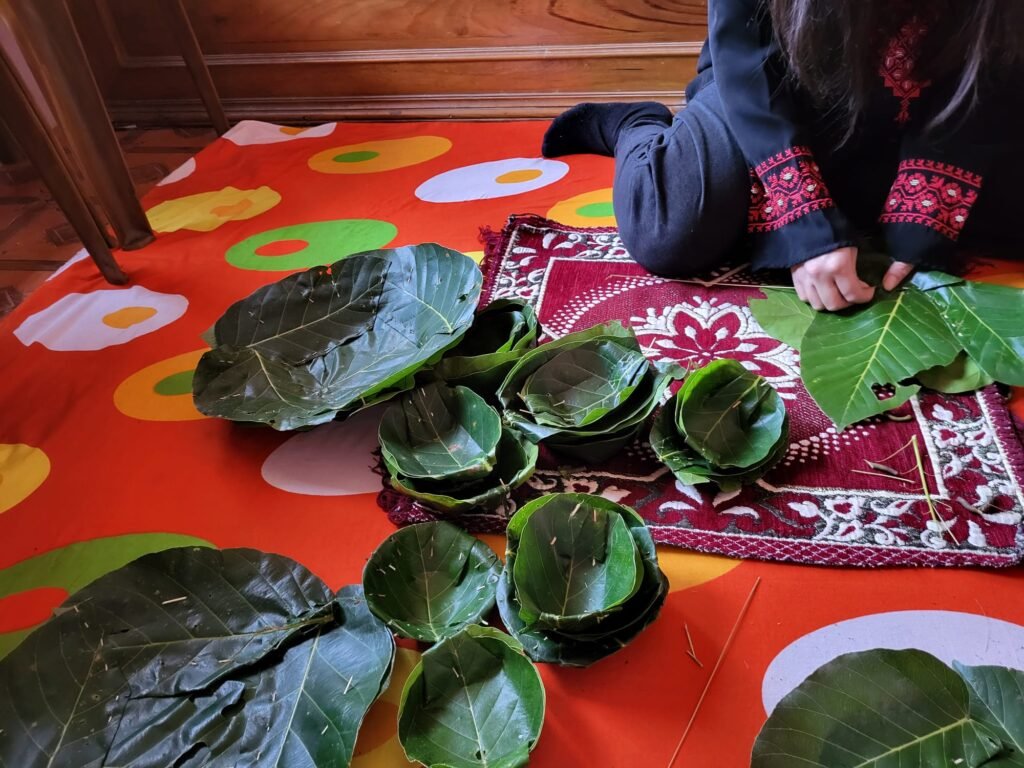
With the materials ready, Simin was guided through the different steps involved in Tapari making. She learned how to arrange the leaves, fold them carefully into the desired shape, and use bamboo sticks to hold everything together.
Each step requires little attention. The folds had to be placed correctly, and the leaves needed to come together in a particular way to create a sturdy plate.
Rather than simply watching someone demonstrate the process, Simin got to follow along and try each step herself. Gradually, the arrangement of loose leaves began to resemble a Tapari.
It is one thing to see a finished handmade product, but quite another to understand the patience, technique, and practical knowledge that goes into making it. Through this process, Simin got to experience the craft from a maker’s perspective.
More Than Just Making a Leaf Plate
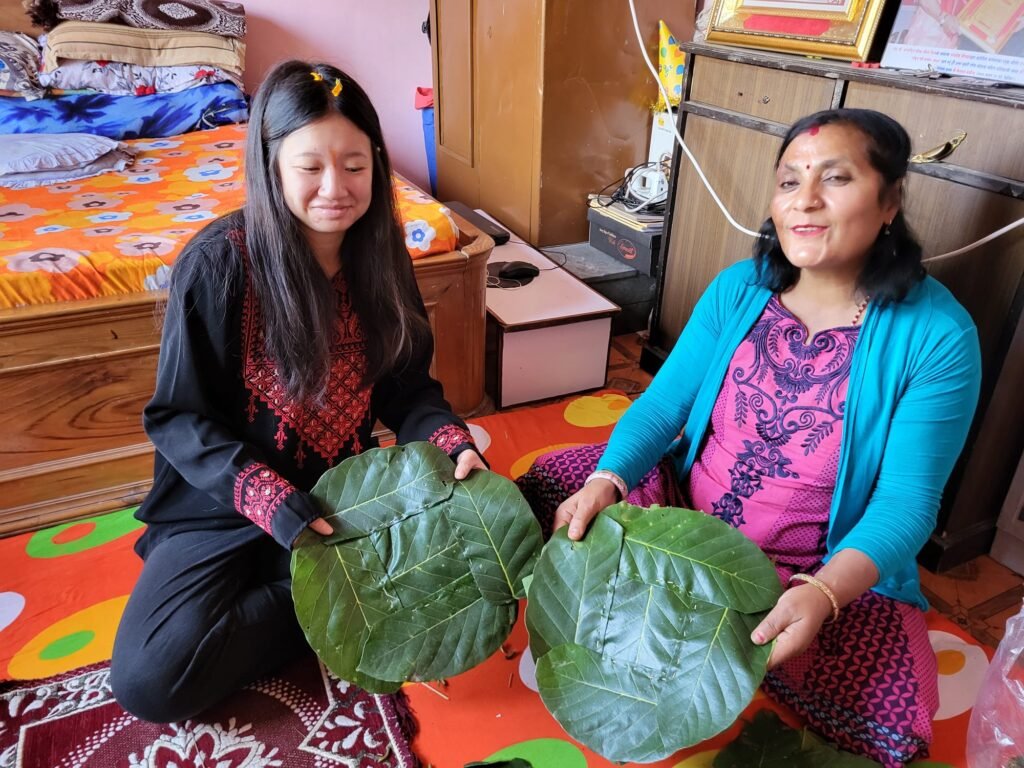
For someone who enjoys handwoven crafts, exploring Tapari making offered Simin a different perspective on traditional craftsmanship. But the experience went beyond learning how to make a leaf plate. Visiting a local Nepali family’s home gave her an opportunity to experience the warmth of Nepali hospitality and get a closer look at everyday life.
Being welcomed into a local home allowed Simin to engage with the people, observe their way of living, and discover the small traditions and practices that are part of everyday Nepali households. It offered a more personal understanding of local culture, something that goes beyond what travelers might usually experience while visiting popular attractions.
Tapari is not simply a handmade object displayed for visitors; it is something people have traditionally used in their homes, celebrations, and religious practices. Learning to make one while spending time in a local household helped Simin understand its place in Nepali life.
Sometimes, the most memorable part of travelling is not just what you learn or create, but the people you meet and the moments you share along the way. For Simin, this experience offered both: a chance to discover a traditional craft and a glimpse into the warmth, hospitality, and everyday life of a Nepali family.
A Handmade Creation and a Lasting Memory
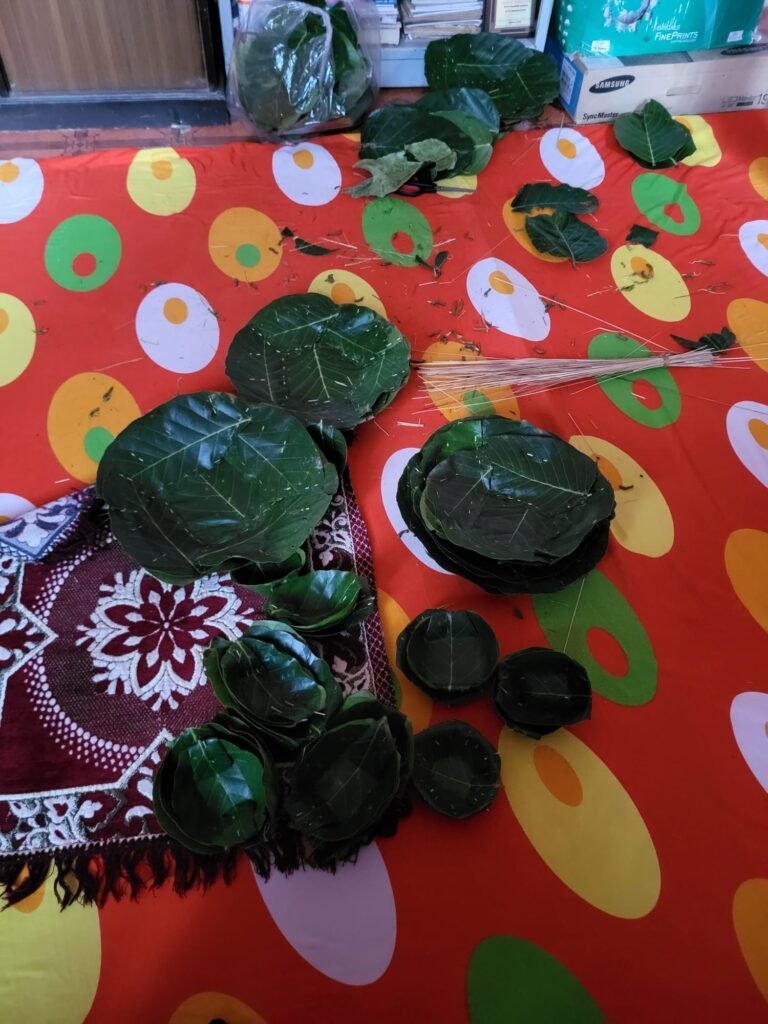
Travel memories do not always come from grand adventures or famous landmarks. Sometimes, they come from sitting in a local workshop, learning something unfamiliar, and creating something with your own hands.
For Simin, the Tapari Making Experience was an opportunity to explore another side of Nepal through a craft that connects nature, everyday living, and traditional skills.
At Maya Trips, we believe that some of the best ways to discover a destination are through the people, practices, and traditions that shape everyday life. Whether it is learning to make traditional incense, trying pottery, or discovering the art of Tapari, these experiences offer a chance to connect with local culture in a more personal way.
Ready to Make Your Own Tapari?
If you are visiting Kathmandu and enjoy handmade crafts, local traditions, or simply trying something you have never done before, the Traditional Tapari Making Experience is a wonderful place to start.
You will get to discover the natural materials, learn the traditional folding techniques, and follow the process of turning simple leaves into a handmade Tapari.
You might arrive wondering how a few leaves and bamboo sticks can become a plate. By the end, you will have a much better understanding of the craft, the tradition behind it, and perhaps a handmade creation of your own.
The guide and host for the tapari was friendly and welcoming.
FAQs